
Consecrators
-
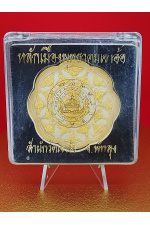 Phra Khao Aor Temple
-
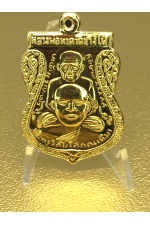 Why should you have at least one “Luang Pu Thuat – Wat Chang Hai” amulet in your lifetime?
-
 Luang Pu Thuat amulet consecrated by Ajarn Tim of Wat Chang Hai
-
 Ajarn Nong of Wat Sai Khao, the 2nd-generation direct disciple of Luang Pu Thuat.
-
 Ajarn Phol of Wat Na Pradu, the 3rd-generation direct disciple Luang Pu Thuat
-
 Luang Pu Thuat – Wat Tanee Narasamosorn: Why You Should Accumulate Now
-
 Luang Phor Pan, the founding master of the Pattani amulet lineage and the Luang Pu Thuat tradition of Wat Napradu
-
 Why should you own “Wat Khao Phrok Phleng Amulets, Phatthalung”?
-
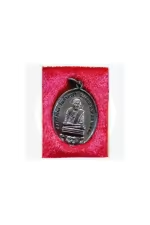 How is Luang Phor Krai related to Luang Pu Thuat?
-
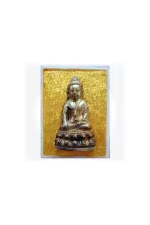 Why should you own a “Luang Phor Khiao, Wat Huai Ngor, Pattani” amulet?
 Phra Khao Aor Temple
 Why should you have at least one “Luang Pu Thuat – Wat Chang Hai” amulet in your lifetime?
 Luang Pu Thuat amulet consecrated by Ajarn Tim of Wat Chang Hai
 Ajarn Nong of Wat Sai Khao, the 2nd-generation direct disciple of Luang Pu Thuat.
 Ajarn Phol of Wat Na Pradu, the 3rd-generation direct disciple Luang Pu Thuat
 Luang Pu Thuat – Wat Tanee Narasamosorn: Why You Should Accumulate Now
 Luang Phor Pan, the founding master of the Pattani amulet lineage and the Luang Pu Thuat tradition of Wat Napradu
 Why should you own “Wat Khao Phrok Phleng Amulets, Phatthalung”?
 How is Luang Phor Krai related to Luang Pu Thuat?
 Why should you own a “Luang Phor Khiao, Wat Huai Ngor, Pattani” amulet?


Featured
See Our Most featured Products
